

Table of Contents
This article is based on public documents, news reports, and research papers that could be checked as of June 20, 2026. It discusses genes, income, and education, but it is not an attempt to rank the worth of individuals or social groups.
Key Points
- Children from wealthy families are statistically more likely to become wealthy, and children from poor families are statistically more likely to inherit disadvantage. That pattern has not disappeared in Japan or in international comparisons as of 2026.
- What parents pass on is not only cash or real estate. Education, neighborhood, health, information, networks, a safety net after failure, and the sense of what standard of living feels normal are also transmitted.
- Cognitive ability and personality traits have some genetic influence. But parent-child correlations in income and education cannot be explained by genes alone, nor by environment alone.
- Expanded high-school tuition support widens choice, but it does not erase non-tuition costs, university costs, regional differences, or the knowledge about education that exists inside families.
- Birth changes probabilities. Birth is not a sentence. The point is to look clearly at how starting conditions move probabilities, then increase pathways for mobility through both personal action and public institutions.
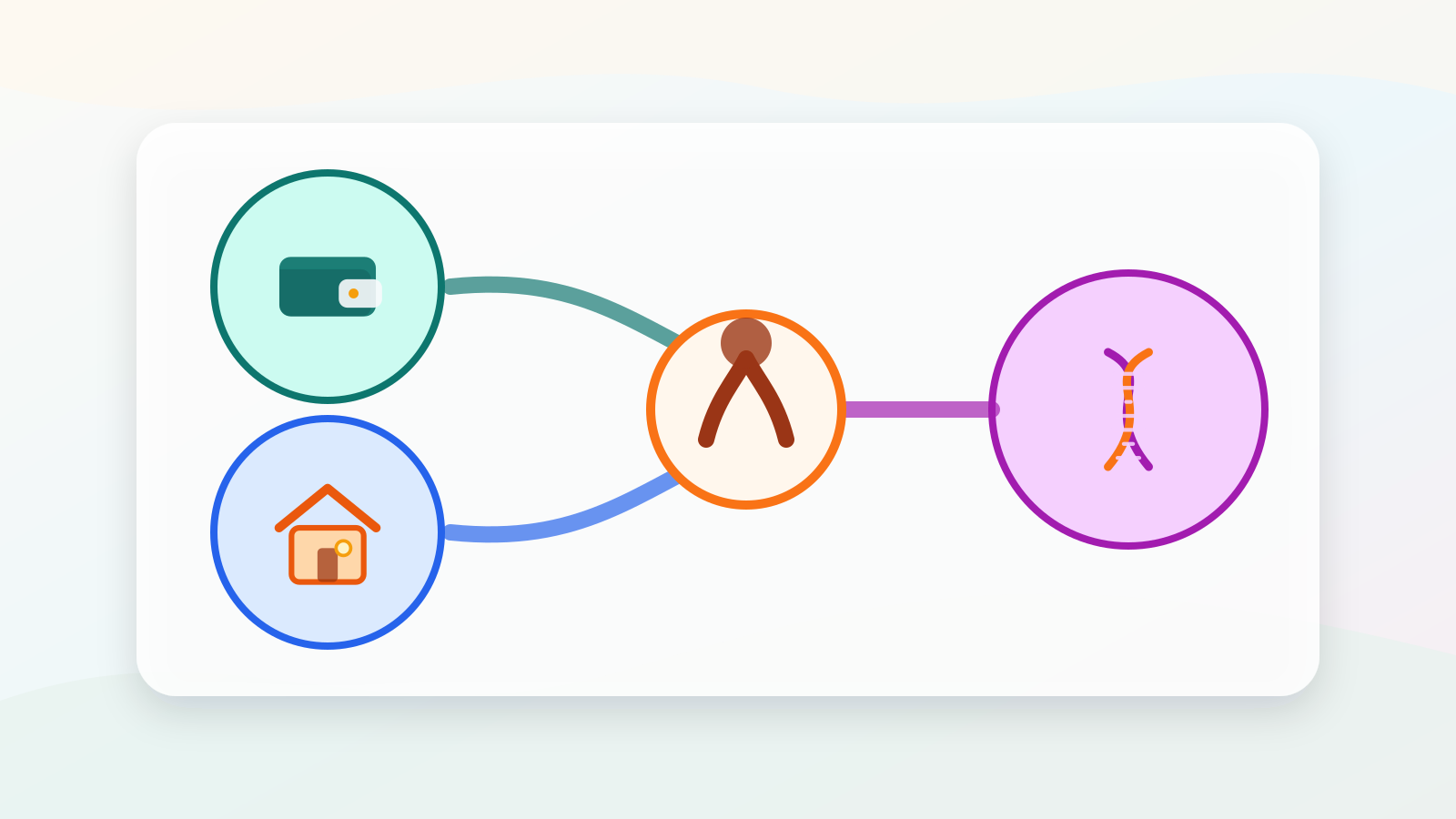
The persistence of wealth and poverty is not carried by the wallet alone. Assets, family environment, and genetic tendencies overlap to shape the starting line.
1. What Changed With High-School Tuition Support
In April 2026, Japan substantially expanded support for high-school tuition. The Ministry of Education, Culture, Sports, Science and Technology explains that, from April 2026, the income limit for the High School Tuition Support Fund was removed, and the annual support ceiling for full-time private high schools was raised to 457,200 yen. For national and public high schools, the income limit was also removed and support equivalent to tuition continues to be provided. The full-time public high-school tuition amount is 9,900 yen per month, or 118,800 yen per year. [1]
This clearly broadens the options for families that previously avoided private high schools because of cost. But it is not the abolition of all high-school costs. The core support is for tuition. Enrollment fees, facility fees, uniforms, textbooks, tablets, commuting, club activities, and school trips remain.
According to MEXT's 2023 Survey of Children's Learning Costs, annual learning costs for full-time high-school students were 596,954 yen in public schools and 1,179,261 yen in private schools. The public-school figure consisted of 351,523 yen in school education costs and 245,431 yen in out-of-school activity costs. The private-school figure consisted of 832,650 yen in school education costs and 346,611 yen in out-of-school activity costs. [2]
| Type | School Education Costs | Out-of-School Activity Costs | Annual Total |
|---|---|---|---|
| Public high school | 351,523 yen | 245,431 yen | 596,954 yen |
| Private high school | 832,650 yen | 346,611 yen | 1,179,261 yen |
The total cost of private high school was almost twice that of public high school. These figures come from before the 2026 expansion, so the tuition portion of the gap should shrink. Still, the non-tuition costs do not disappear.
Some families may find that a private academic high school reduces the need for cram school and becomes cheaper in the end. But the national average shows that private high-school students also spent more on out-of-school activities than public high-school students. At least on average, it is not safe to assume that moving to a private school automatically reduces cram-school spending enough to offset other costs.
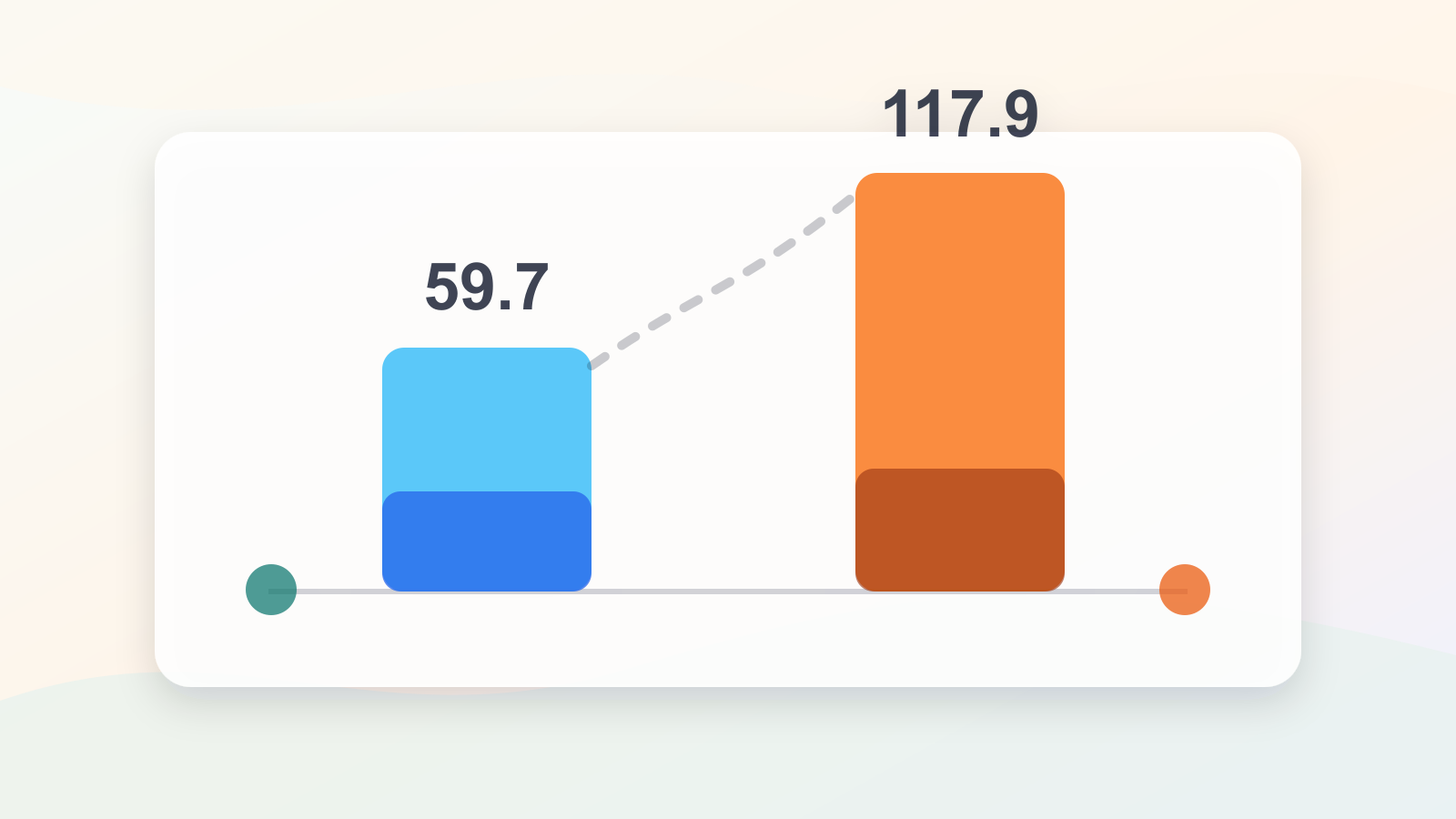
Tuition support is large, but high-school life costs more than tuition. The remaining gap appears in uniforms, commuting, activities, and household slack.
2. Private High-School Families Were Already Skewed Toward Higher Income
There does not appear to be a national statistical series that tracks public and private high-school household income from 2000 to 2026 using the same method. So it is not possible to draw a precise long-term line graph.
There is, however, a useful pre-reform reference. In a 2018 internet survey of parents by the Japan Finance Corporation, average household income among families with high-school students was about 7.16 million yen for national and public high schools and about 8.20 million yen for private high schools. The share of households earning at least 8 million yen was 35.4% for national and public high schools and 47.3% for private high schools. [3]
That is an average income gap of roughly 1 million yen, confirming that private high-school families leaned toward the higher-income side. But this was an internet survey, not administrative data. Japan Finance Corporation also notes that the survey target and method changed from fiscal 2014, so the results are not continuous with results through fiscal 2013. [3]
Therefore, the figures do not prove that all private high-school students are wealthy or that the same gap persists today. They show that, before the expansion of tuition support, families choosing private high school were on average skewed toward higher income.
What happens after 2026 is still not settled by data. In the 2026 admissions cycle, application ratios for full-time public high-school entrance selection fell below one in many regions, and Mainichi reported that 33 of 47 prefectures had ratios below one. Reports also noted that the interim application ratio for Tokyo private high-school general entrance exams rose from 2.97 to 3.14. [4]
But depopulation, school consolidation, public-school capacity decisions, the growth of correspondence high schools, and the number of private schools in each region also matter. Application data alone cannot identify the effect of tuition support or changes in household income.
The more realistic scenario is not that all public schools become schools for poor families. It is that family backgrounds diverge more by school and region. Elite public schools, ordinary public schools, under-enrolled public schools, expensive private integrated schools, and private schools made easier to attend by tuition support may pull different populations. Stratification may intensify inside the broad category called high school.
3. The University Gap Starts Before Tuition Is Due
Household income does not only affect whether a family can pay university tuition. It affects whether university enters the set of realistic options in the first place.
In MEXT materials based on a parent survey about high-school students' post-graduation plans, the combined share planning to enter a national/public or private university was 59.9% among households with income below 4 million yen. For households with income of at least 10.5 million yen, it was 92.8%. The gap was about 33 percentage points. [5]
For lower-income households, university can be removed from the choice set before any exam is taken, because of entrance exam fees, enrollment fees, first-year payments, living costs, rent away from home, and anxiety about student-loan repayment.
In another basic tabulation from the 2023 parent survey, among students planning employment, 31.4% answered that the reason "the cost of further study is high" applied very much, and 34.9% said it applied. Together, that is 66.3%. [6]
Parental education also matters. In the same tabulation, among students planning to enter national or public universities, 57.8% had fathers who had graduated from university or graduate school. Among students planning employment or other paths, the figure was 17.1%. For mothers, the corresponding shares were 33.6% and 6.6%. [6]
These numbers do not prove that parents' degrees automatically send children to university. Income, occupation, region, school, and grades also matter. Still, whether knowledge about what to study at university, how admissions systems work, how to use scholarships, and how to think about living away from home exists inside the family is a large factor.
Highly educated parents pass on not only educational credentials, but also knowledge about how to use the education system.
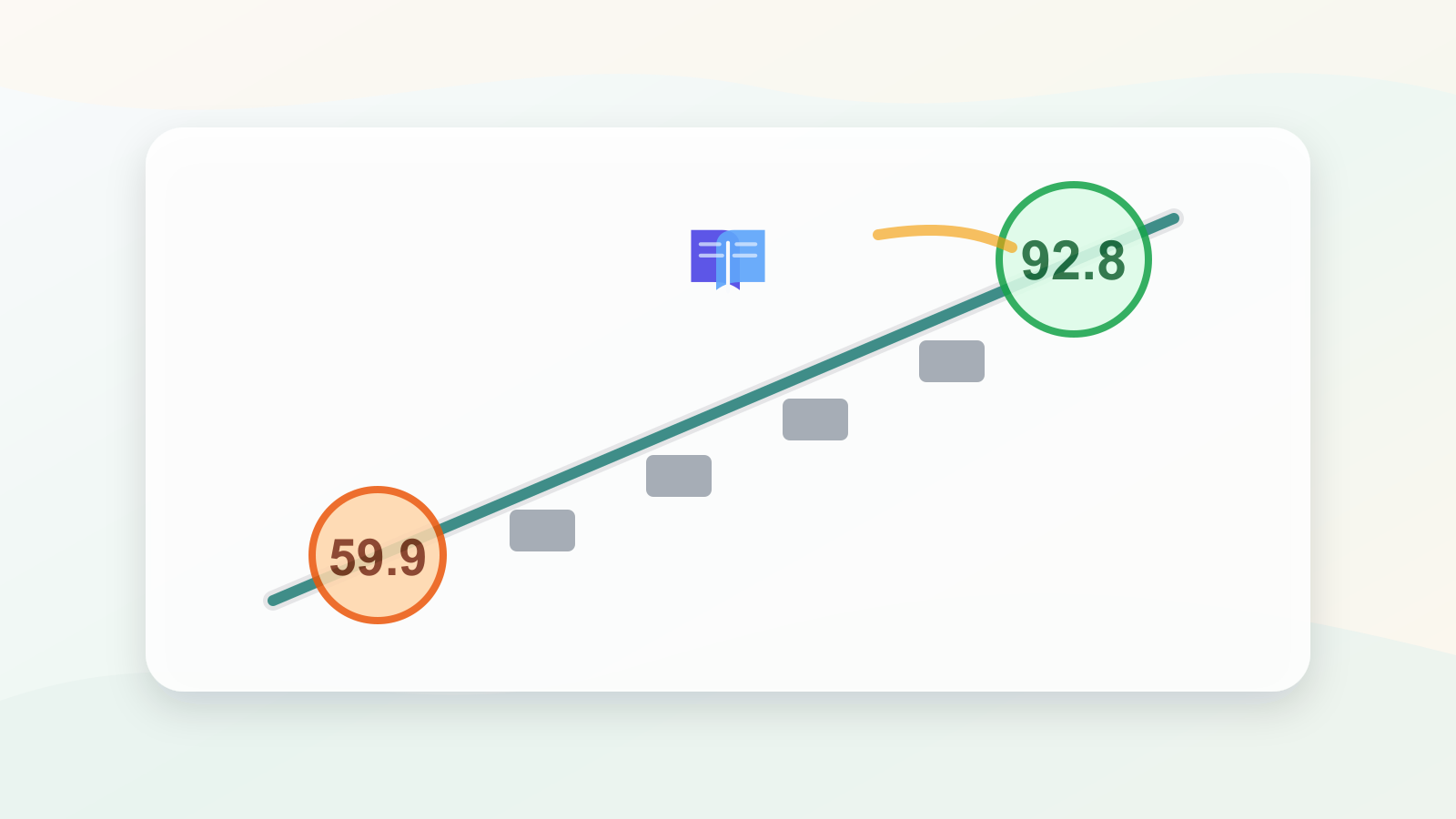
The university gap is not only about paying after admission. It begins with whether university is visible as a realistic option before the application process starts.
4. Globally, Parental Status Still Moves Children's Income
An OECD report published in 2026 found that adults with highly educated parents earned almost 30% more, on average, than adults with low-educated parents. It also found that people with low-educated parents faced a higher risk of ending up in the bottom earnings quintile; in Japan, that relative risk was roughly 1.5 times higher than for people with high-educated parents. [7]
Japan has more mobility than some countries, but parental influence has not disappeared. Parents' education, income, occupation, region, schools, and information expand or narrow children's options.
The World Bank's income mobility database covering 87 economies also finds that the negative association between income mobility and inequality continues to hold across a broader range of countries. This relationship is known as the Great Gatsby Curve. [8]
Correlation alone cannot decide whether high inequality reduces mobility, whether low mobility increases inequality, or whether a third factor such as education systems or regional inequality produces both. Still, the idea that parents' income has no relationship to children's futures does not fit the international evidence.
5. Is the Ability to Become Rich Also Inherited?
It is not scientific to say that genes have nothing to do with outcomes. It is also not scientific to say that income is determined by genes.
Cognitive ability, learning ability, personality, self-control, and risk preferences have some genetic influence. It is plausible that part of the ability that helps produce education and income is transmitted from parents to children, making parent and child social status similar.
Large-scale genome research found that a polygenic score aggregating many genetic variants associated with educational attainment explained roughly 12% to 16% of individual differences in years of education. That is not trivial. [9]
At the same time, it leaves most of the variation unexplained. And when researchers compare siblings raised in the same family and account for parental genotypes, the direct association with the child's own genes falls to roughly half of the association observed in the general population. [9]
The reason is that parental genes are not transmitted only directly to children. Parents who enjoy reading, plan carefully, and have rich educational experience may create homes with many books, teach study methods, and gather information about schooling. Even genetic tendencies that parents do not transmit to the child can affect the child's educational outcomes through the behavior and environment those parents create. This is called genetic nurture.
In other words, parent-child correlations in education and income are the result of overlapping pathways.
| Pathway | What Is Passed On | Important Caution |
|---|---|---|
| Direct genetics | Part of cognitive ability, personality tendency, and health tendency | Not a single factor that decides individual fate |
| Genetic nurture | The home environment created by parents' traits and abilities | Even non-transmitted parental tendencies can matter through environment |
| Assets and income | Tuition, housing, experiences, and a safety net after failure | Money also buys time and options |
| Cultural capital | Books, conversation, system knowledge, occupational imagination | Children learn how to use universities and labor markets earlier |
| Place and institutions | Schools, safety, transport, support systems | Hard for families to change alone |
In real life these pathways are difficult to separate completely. That is why the issue should be read not as a simple genes-versus-environment debate, but as a triple inheritance in which multiple channels overlap.

Genes do not work only apart from environment. Parental traits also reach children as books, conversation, expectations, and the way time is used at home.
6. It Does Not Follow That Poor Families Have Inferior Genes
The fact that cognitive ability has genetic influence is completely different from the claim that poor families are genetically inferior.
Heritability is a measure of how much observed variation within a particular population, in a particular society and period, is associated with genetic differences. It does not mean that half of an individual's intelligence is made by genes. It certainly does not show that average differences between income groups are caused by genetic differences.
Income is not an intelligence-test score. It is affected by health, personality, family structure, occupation, business cycles, region, discrimination, inheritance, job-changing opportunities, illness, caregiving, and chance encounters. Even if high-income people have higher cognitive ability on average, that does not prove that low income is caused by low cognitive ability.
Causality can also run in the other direction. Poor nutrition, chronic stress, unstable housing, noise, illness, and lack of study time can make it harder for children to show or develop ability. A parent's low income may have been caused not by ability but by recession, regional industrial structure, illness, disability, family caregiving, or the timing of entry into the labor market.
You cannot infer genetic ability backward from income.
It is also entirely possible for an exceptionally talented grandchild to appear after an apparently ordinary parent. Intelligence and personality are not determined by one gene. They are polygenic traits influenced by many genetic differences, each with small effects. Children receive recombined genetic information from both parents, so siblings born to the same parents differ.
But it is more accurate to say that many genetic elements recombined, and that education, health, interests, and encounters with mentors also aligned, than to imagine a single genius gene sleeping for one generation. The parent may also have had high ability that did not appear as education or occupation. We tend to judge ability by visible outcomes such as degrees, jobs, income, and awards. Unexpressed ability does not appear in statistics.
7. Environment Changes Outcomes, and Exceptions Do Not Refute Statistics
Family and social environments are not just subjective excuses.
In the US Moving to Opportunity experiment, randomly selected families living in high-poverty public housing projects received housing vouchers that enabled them to move to lower-poverty neighborhoods. Children who moved to better neighborhoods before age 13 had higher college attendance and earnings as adults, and lower single-parenthood rates. [10]
Their genes did not change. Their neighborhoods, schools, peer groups, safety, surrounding adults, and information about the future changed.
Research using variation in school exposure also finds causal effects of schooling on measured cognitive ability. A study using conditionally random variation in Swedish military cognitive test dates estimated that an extra 10 days of school instruction raised scores on crystallized-intelligence tests by about 1% of a standard deviation. [11]
Therefore, the claim that education and environment develop ability is not mere moral rhetoric. But the fact that environment matters does not mean individual choice and effort are meaningless.
The claim that parental poverty has nothing to do with present outcomes is extreme. So is the claim that parental poverty meant nothing could be done. Starting conditions change difficulty and probability. Changing probability is not the same as determining the outcome completely.
People with weak school records or limited credentials do move into high-income groups in their twenties, thirties, or forties. That does not refute the statistics on intergenerational inequality. Statistics describe group-level probabilities, not every individual's destiny.
Some people do poorly in school but excel in specific jobs. Some develop late. Some were unable to show ability because of illness or family circumstances. Some find the right industry later. Especially in technology, sales, specialized professions, management, and creative work, accumulated skill, track record, judgment, and networks can matter more than school credentials.
The successful person's effort is real. At the same time, the conditions that converted effort into results may also have been favorable. These two statements do not contradict each other.
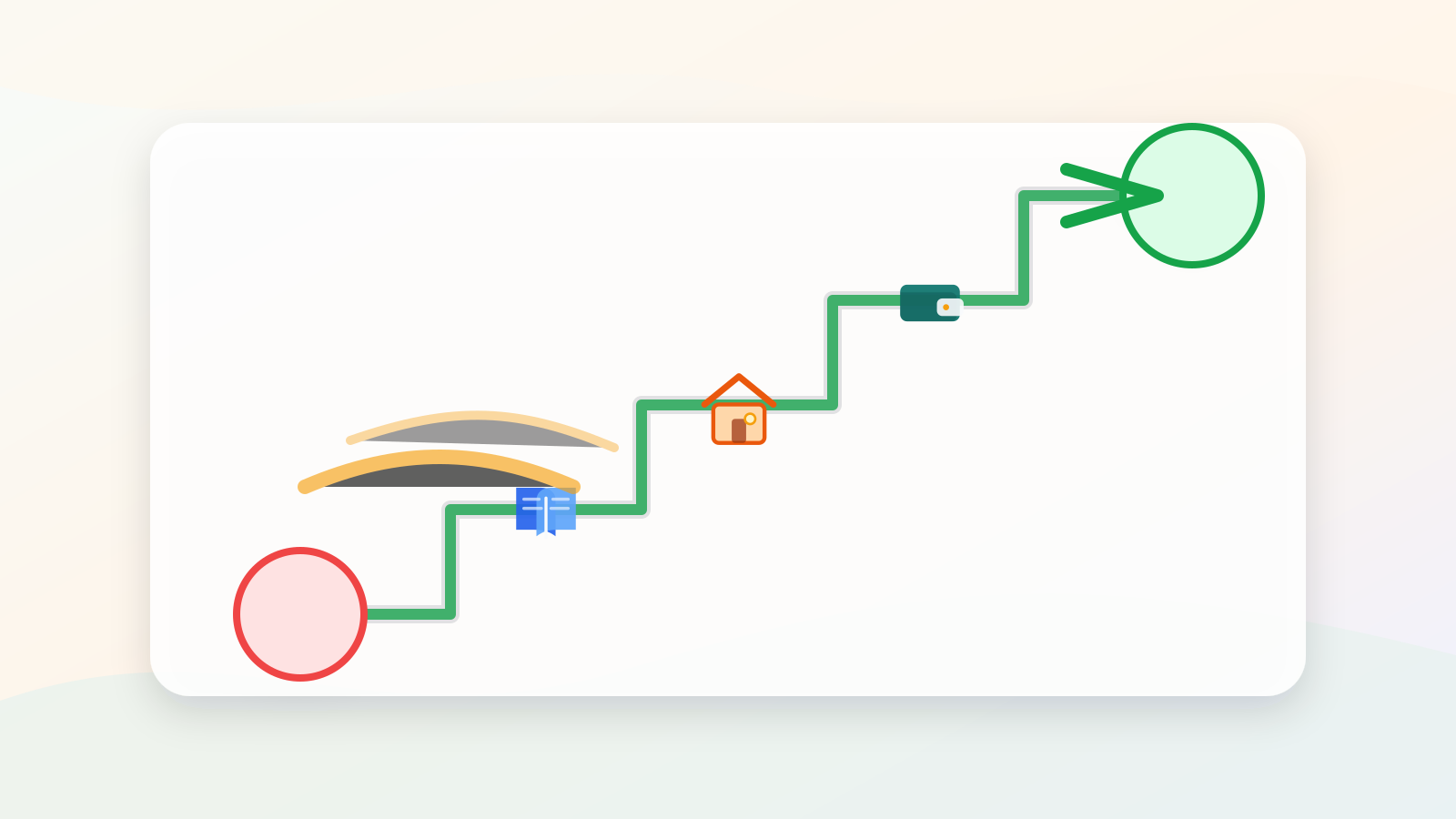
Improving environment does not deny effort. It creates more stairs through which effort can become results.
8. Does Making the Rich Poorer Make the Poor Richer?
In 1990, British Prime Minister Margaret Thatcher criticized an opponent in Parliament by saying, in effect, that he would prefer the poor to be poorer if only the rich were less rich. [12]
The point was to criticize policies that reduce inequality numbers by lowering everyone's living standards. That point matters. Making the wealthy poorer and making the poor richer are not the same thing. Destroying assets or punishing success does not automatically improve education, housing, healthcare, productivity, or employment.
The problem is not the existence of wealth. The problem is poverty that removes health, education, and options.
But it also does not follow that redistribution is useless. OECD's Government at a Glance 2025 reports that, on average across the OECD, the relative poverty rate is 27% before taxes and transfers and falls to 11% after taxes and transfers. [13]
Two statements can be true at the same time.
- Merely making the rich poorer does not make the poor richer.
- But using tax revenue from wealth to fund education, healthcare, child support, housing, and second chances can reduce poverty and intergenerational lock-in.
The goal should not be to pull everyone down to the same height. It should be to increase the routes by which people at the bottom can move upward.
9. Conclusion: Birth Moves Probabilities, but It Is Not a Sentence
Does wealth create wealth, and poverty create poverty? As a group-level probability, yes, it still does.
But that does not mean a person born poor should give up. Nor does it mean that because some people born poor succeed, family environment is irrelevant.
Children in wealthy families inherit more than property. They inherit education that develops ability, better housing, health, information, networks, advice about school and work, more chances to fail safely, and a standard of living that feels normal. Some genetic ability and personality tendencies may also be included.
Children in poor families inherit more than low income. They inherit fewer options, less room for failure, less educational information, unstable housing or health, and a time horizon shaped by immediate needs.
Neither inheritance is absolute. Parents do not hand their children the answer to life. They hand them a starting point, shoes to run in, a map, and insurance for when they fall. Genes may influence part of the leg strength. But no single factor determines the course, the headwind, the people met along the way, or how far the person chooses and manages to run.
The task is not to break the chain of wealth for its own sake, but to break the chain of poverty. It is not to abolish all inequality, but to build a society in which birth does not close too many possibilities. For the individual, the task is to understand one's starting conditions accurately and use the options that remain.
Birth moves the probabilities of a life. But birth is not a sentence.
References
- [1]MEXT, High School Tuition Support Fund Q&A. ↩
- [2]MEXT, Highlights of the 2023 Survey of Children's Learning Costs, January 16, 2026. ↩
- [3]Japan Finance Corporation, 2018 Survey on the Burden of Education Costs, March 20, 2019. ↩
- [4]Mainichi Shimbun, Public high-school application ratios fall below one in 33 prefectures, March 9, 2026. ↩
- [5]MEXT, Reference Materials, based on the MEXT/National Institute for Educational Policy Research parent survey on high-school students' post-graduation plans, fiscal 2021. ↩
- [6]MEXT, Basic Tabulation of the Fiscal 2023 Parent Survey. ↩
- [7]OECD Economics Department Working Papers No. 1858, Intergenerational social mobility across OECD countries: Does the apple fall far from the tree?, 2026. ↩
- [8]World Bank, The Global Database on Intergenerational Mobility; Munoz and Van der Weide, Intergenerational Income Mobility around the World: A New Database, 2025. ↩
- [9]Okbay et al., Polygenic prediction of educational attainment within and between families from genome-wide association analyses in 3 million individuals, Nature Genetics, 2022. ↩
- [10]Chetty, Hendren and Katz, The Effects of Exposure to Better Neighborhoods on Children: New Evidence from the Moving to Opportunity Experiment, American Economic Review, 2016. ↩
- [11]Carlsson, Dahl and Rooth, The Effect of Schooling on Cognitive Skills, NBER Working Paper No. 18484, 2012; published version in The Review of Economics and Statistics, 2015. ↩
- [12]UK Parliament, Confidence in Her Majesty's Government, Hansard, November 22, 1990. ↩
- [13]OECD, Poverty and inequality: Government at a Glance 2025. ↩

NEW NOVEL 2026/08/01
Clouded Glass
Polishing is not about force.
Volume two of The World Became Slightly Farther Away.Five stories that can also be read as a starting point.
View on Amazon
Jijoden.com
Your life is worth writing.
There is a truer self you can tell only to AI.Gather fragments of memory into a single story.
Take a LookRelated Articles
Introverts vs Extroverts: Psychology, Genetics, and Neuroscience
A research‑informed overview of introversion and extraversion across psychology, genetics, and neuroscience, plus childhood temperament, cultural differences, and how to leverage each strength.
What Is a Degree Really Worth? Earnings, Lifetime Pay, and Learning in the AI Era
University earnings estimates, Japanese and Western wage gaps, graduate school costs, hiring, family background, AI, and intuition: an evidence-based account of what education can—and cannot—buy.
The Richest People in the World and Japan 2026: Top 100, Japan Top 30, and 22 Celebrity Billionaires
A data-led comparison of the world's top 100 fortunes, Japan's top 30 and 22 celebrity billionaires, with cautious Japanese celebrity estimates, cross-country after-tax models, yen conversions at ¥160 per dollar, and intuitive scale comparisons.
How to Choose a Job-Hunting Service in 2026: Comparing Major Portals, Scout Platforms, Agents, and PitaCareer
A fact-based guide to the differences among major job portals, scout platforms, career agents, doda, Geekly, and PitaCareer—a new service launched on July 16, 2026—including its strengths and best uses.
Business Abbreviations in One Guide: A Visual Cheat Sheet for PV, CPA, ARPU, KPI, LTV, and More
A visual cheat sheet for learning business abbreviations through English parts, formulas, work situations, and memory cards across marketing, web analytics, SaaS, sales, finance, and accounting.