
Table of Contents
In May 2026, the Premise of the Decision Changed
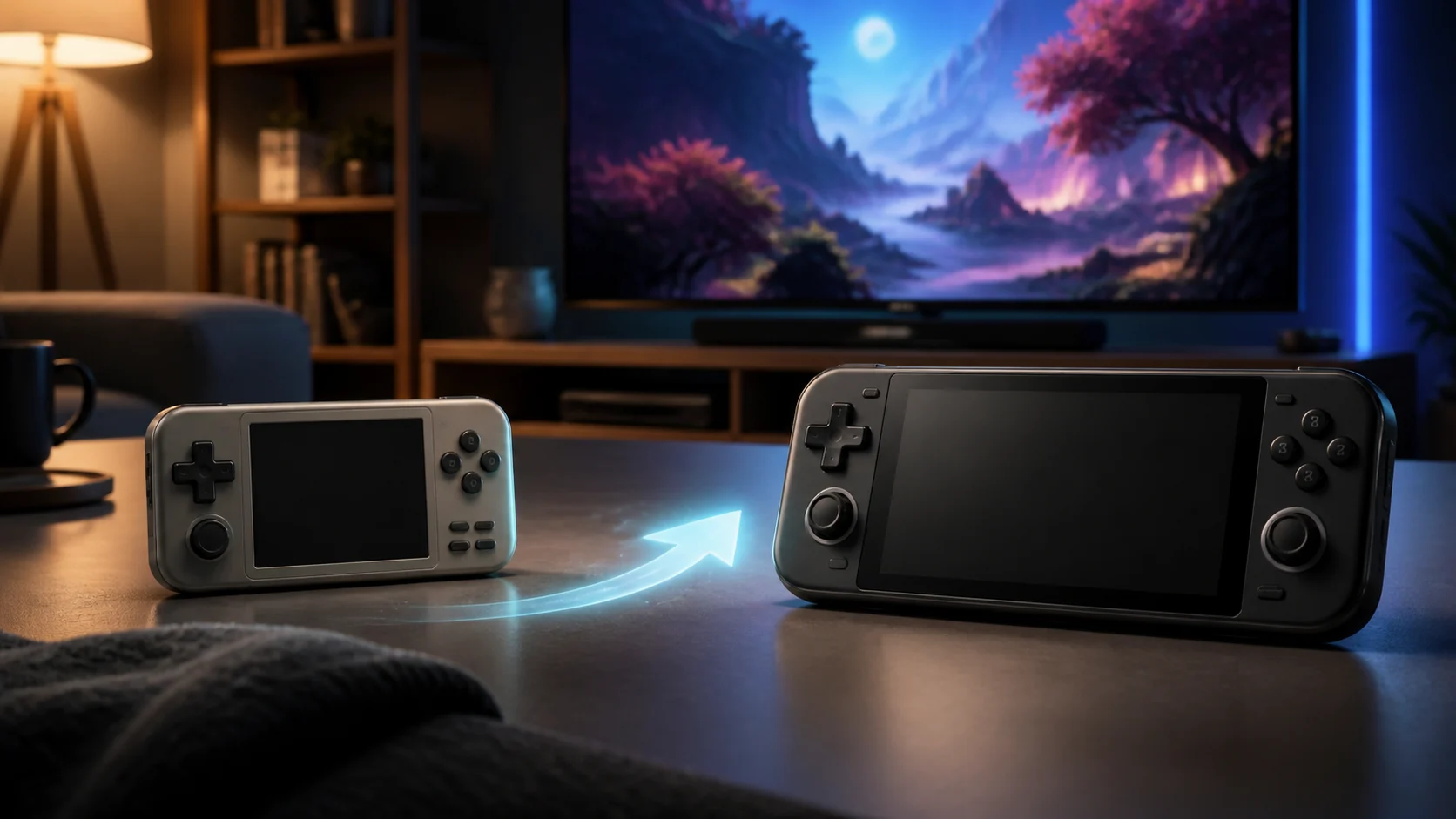
Should you move from Nintendo Switch to Switch 2? The answer to that question changed once, in May 2026.
On 8 May 2026, Nintendo announced that the Nintendo Switch 2 (Japanese domestic version) would rise from ¥49,980 to ¥59,980 — an increase of ¥10,000, effective 25 May. President Furukawa cited medium-to-long-term market changes: rising semiconductor memory prices, the weak yen, and tariff measures.
The multilingual version at ¥69,980, sold exclusively through the My Nintendo Store, was not subject to the increase. As a result, the gap between the two narrowed from ¥20,000 to ¥10,000.
So as of August 2026:
- the case for buying a Switch 2 has a ¥10,000 higher bar
- and because the gap narrowed, the multilingual version looks relatively better value than before
This article works through what changed and what did not, taking those prices as given.
⚠️ Prices and specifications are as of 11 August 2026. Check the official site for current pricing before buying.
What Actually Improved
Display and rendering
The original Switch had a 6.2-inch handheld screen (7.0 inches on the OLED model). Switch 2's screen is larger, which raises both the amount of information on screen and the sense of immersion in handheld mode.
In TV mode it supports output at up to 4K (3840×2160) at 60fps. The original topped out at 1080p, so a large television is where the difference is easiest to see.
But supporting 4K output and every title running at 4K are different things. Actual resolution and frame rate depend on how each title is implemented. Conflating the two leads to disappointment.
Processing performance
A newer CPU and GPU generation improve load times, frame rate stability, and how many objects can be drawn at once.
What you feel is not peak benchmark performance but stability. Scenes that dropped frames on the original stop dropping them; waiting for loads gets shorter. Removing these small, repeated frictions is the largest practical change.
Battery
Battery capacity is 5,220mAh, with a stated runtime of roughly 2 to 6.5 hours.
That range is wide because power draw differs enormously by title. Light games last; heavy ones do not. Planning around "up to 6.5 hours" will leave you short. If you carry it around, assume you will need a way to charge.
Joy-Con and chassis
The Joy-Con attachment method changed, making connection more secure. Contact and durability — long-standing complaints on the original — are areas where the design was revisited.
Where the Difference Shows in Practice
| Situation | Original Switch | Switch 2 |
|---|---|---|
| Playing on a large TV | Up to 1080p | Up to 4K/60fps output |
| Loading heavy titles | Long waits | Shortened |
| Handheld screen | 6.2in (7.0in on OLED) | Larger |
| Long trips out | Depends on title | Depends on title (roughly 2–6.5 hours) |
| Price (August 2026) | Mostly used and remaining stock | ¥59,980 (multilingual ¥69,980) |
Should You Switch? Where the Line Falls
Worth upgrading if you
- Spend a lot of time playing on a television. This is where the 4K output pays off most. If you play mostly handheld, the gap narrows.
- Play demanding titles. The reduction in load times and dropped frames compounds with the hours you play.
- Have an ageing original. Battery life fading, Joy-Cons misbehaving. If you are already weighing repair costs against replacement, the real cost of upgrading falls.
No hurry if you
- Play mostly handheld, on light titles. This is where the performance gap is hardest to feel.
- Have an original that still works fine. At the post-increase price, it is worth being honest about whether there is a reason to buy now.
- Can play what you want on the original. Waiting for the exclusive titles to accumulate is a reasonable call.
Why the multilingual version is worth a look
After the increase, the domestic version at ¥59,980 and the multilingual version at ¥69,980 are ¥10,000 apart. If there is any chance you will handle overseas software, that is a more approachable gap than it was.
Things Worth Keeping in Mind
"4K support" refers to output. The console supporting 4K output says nothing about the resolution any given title renders at.
The battery range is wide. Read "roughly 2 to 6.5 hours" as a range, not as a figure to plan against.
Check accessory compatibility item by item. Across a generation change, dock and accessory compatibility varies by product. Confirm before you buy that what you own still works.
Prices move. What May 2026 demonstrated is that a console's price can go up after launch. As long as it tracks memory prices and exchange rates, it may move again. That "wait and it gets cheaper" no longer reliably holds is worth factoring into the decision.
Summary
- From 25 May 2026, the Switch 2 (domestic version) rose from ¥49,980 to ¥59,980. The stated reasons were memory prices, the weak yen, and tariff measures.
- The multilingual version (¥69,980) was unchanged, narrowing the gap from ¥20,000 to ¥10,000.
- The improvements are 4K/60fps output, processing performance and load times, a larger screen, and a redesigned Joy-Con attachment.
- What you feel most is not peak performance but stability — fewer dropped frames and shorter loads.
- Upgrading is most worthwhile for people who play on a TV, play demanding titles, or have an ageing original. Handheld players on light titles have little reason to rush.
- Battery is a range of roughly 2 to 6.5 hours. Do not plan against the upper bound.
- Since a price rise happened after launch, waiting does not necessarily make it cheaper.
Counting how many hours you actually play on a television versus handheld is the most reliable input to this decision. That number matters more than the spec sheet.
References
- Famitsu, "Furukawa explains the background to the Switch 2 price change: memory price rises, exchange rates, and medium-to-long-term market changes" (May 2026)
- Gizmodo Japan, "From 25 May: Nintendo Switch 2 rises ¥10,000 to ¥59,980" (May 2026)
- PC Watch, "What improved in Nintendo Switch 2? A specification comparison with Nintendo Switch"
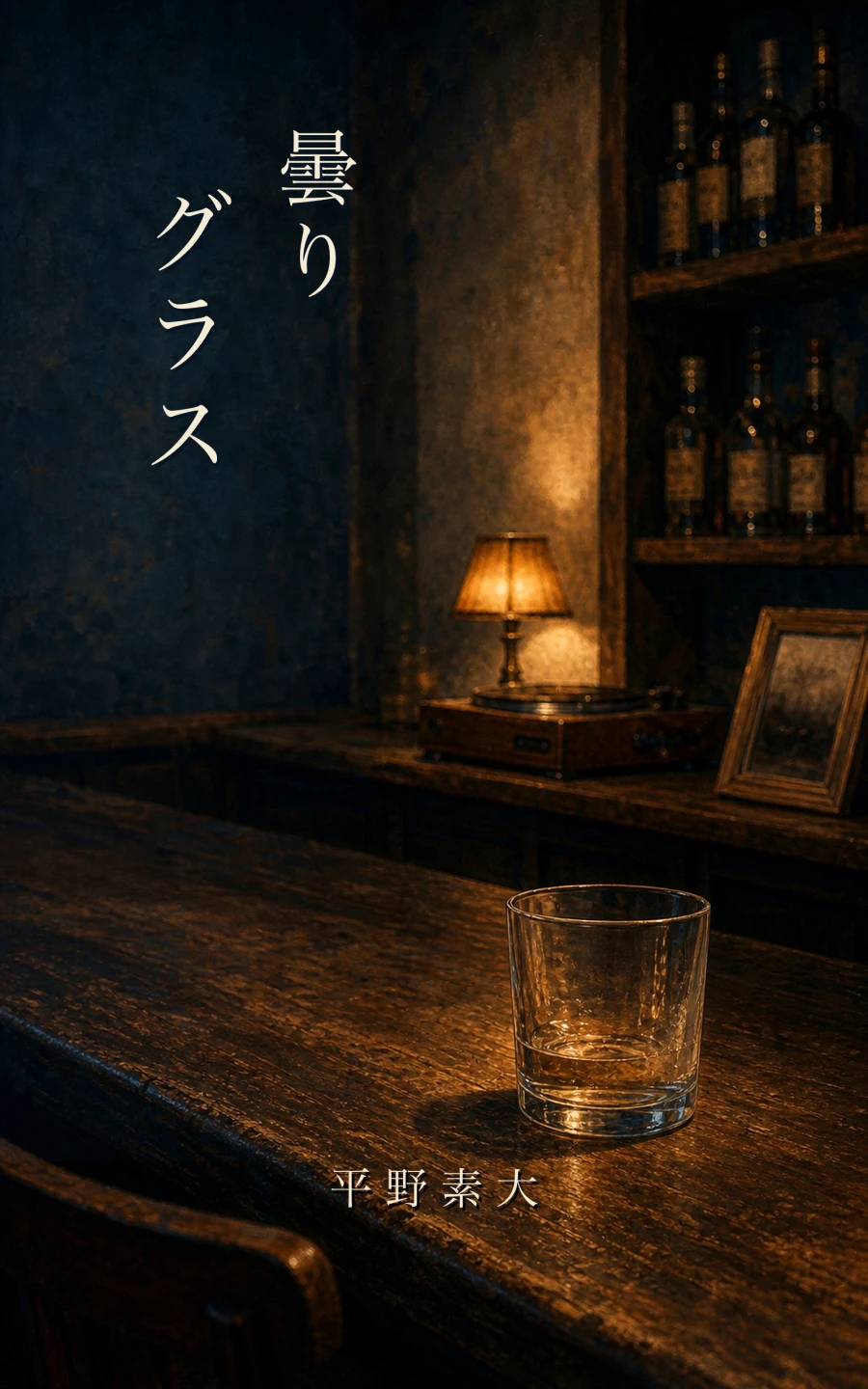
NEW NOVEL 2026/08/01
Clouded Glass
Polishing is not about force.
Volume two of The World Became Slightly Farther Away.Five stories that can also be read as a starting point.
View on Amazon
Jijoden.com
Your life is worth writing.
There is a truer self you can tell only to AI.Gather fragments of memory into a single story.
Take a LookRelated Articles
Silver Week Reshapes AI: GPT-6 Astra, Sol and Luna vs Claude Fable, Opus and Sonnet
A six-model comparison of launch strategy, intelligence, API prices, measured task costs, caching and access: GPT-6 Astra, Sol and Luna versus Claude Fable 5.1, Opus 5.5 and Sonnet 5.
What Can You Share with AI? Approval Criteria for Enterprise Code and Customer Logs
Authorize enterprise AI use with six repository acceptance criteria, log-sanitization examples, contract decisions and a reusable approval template. Primary sources checked September 19, 2026 distinguish permitted work, prohibited transfers and case-specific review.
GPT-6 Astra Arrives: What Changes When You Put It to Work in Codex?
Our first article produced with Astra examines GPT-6 in Codex, its differences from GPT-5.6, comparisons with Fable 5.1 and Opus 5, ARC-AGI-3 testing conditions, international reactions, and the AGI debate. Sources checked September 6, 2026.
Building nagara: A Voice Player for AI Replies, Articles, and Novels
I wanted long Claude Code replies to be easier to listen to. This engineering story follows nagara, an open-source macOS player built with Swift and AivisSpeech, through quiet collection, sentence navigation, and pitch-preserving playback speed.
You Don’t Have to Abandon Claude Desktop: The Practical Case for Claude Code CLI, Subagents, and Agent Teams
Subagents work in Claude Desktop's Code tab, so what still makes the CLI different? This practical guide explains CLI-only Agent Teams, Unix pipes, shell-environment continuity, which model and effort level each teammate and Subagent inherits, local-only configuration, Git exclusions, and copy-ready reviewer and log-watcher agents for ordinary Claude subscribers.